
EXPLORE
Ocular High Risk Medications in Tampa, FL
Your medications are meant to support your health, but some can also affect your eyes in ways that are easy to miss at first. Vision changes, such as blurred vision, dry eyes, or even double vision, can develop gradually, especially with long-term use of certain treatments.
Understanding what medications cause eye problems gives you the power to take simple, proactive steps to protect your sight. With regular monitoring and guidance from an experienced eye care team, you can continue the care you need while maintaining clear, comfortable vision for your everyday life.
Schedule An Appointment Today
MEDICATIONS AND VISION
Understanding What Medications Can Cause Eye Problems
Many commonly prescribed medications support your overall health, but some are considered ocular high-risk medications because they can affect your vision.
The good news is that with regular monitoring and the right eye care, most people can continue their treatment while protecting their eyesight.
At Gulfcoast Eye Care, we help patients across Tampa Bay and St. Petersburg manage medication-related eye risks with confidence and clarity.


WHAT’S OCULAR TOXICITY
Why Monitoring for Ocular Toxicity During Medication Use Matters
Some medications can lead to ocular toxicity, including retinal toxicity, optic neuropathy, or changes in intraocular pressure. These changes may not be noticeable right away. Over time, they can affect:
- Reading and screen use
- Driving safely
- Recognizing faces
- Overall comfort, especially with dry eyes
Routine eye exams allow us to detect early signs of damage and protect your long-term vision.
OCULAR SIDE EFFECTS
Common Ocular Side Effects to Watch For When Using New Medications
If you are taking certain medications, you may notice:
- Blurred vision
- Double vision
- Eye pain
- Dry eyes or irritation
- Changes in color perception
- Increased sensitivity to light
- New floaters in your vision
These are considered common ocular side effects, and they should always be evaluated promptly.

Medications That Can Affect Your Eyes
Bisphosphonates
Pamidronate Disodium (Aredia), Alendronic Acid (Fosamax), Ibandronate, Zolendronate (Zometa), Risedronate Sodium (Actonel), Clodronate (Bonefos), Etidronate Disodium (Didrocal), Olpadronate
Most commonly used to prevent bone resorption; it has been associated with anterior uveitis, scleritis, and nonspecific conjunctivitis.
Ethambutol (Myambutol)
An antibiotic commonly used to treat tuberculosis or other mycobacterial lung infections; it can be associated with optic nerve damage and requires regular monitoring to avoid this risk.
Fingolimod (Gilenya)
It is used most commonly to treat multiple sclerosis (MS); it has been associated with macular edema. A baseline eye examination is recommended, as well as 3 to 4 months after starting a treatment or if vision changes are noticed.
Hydroxychloroquine or Chloroquine (Plaquenil)
Used most commonly for the treatment of rheumatoid arthritis, lupus, dermatological conditions, & inflammatory disorders. Chloroquine is used for antimalarial treatment.
Sildenafil (Viagra, Tadalafil (Cialis), Vardenafil (Levitra)
Used most commonly in the management of erectile dysfunction; has been associated with changes in color perception (most commonly a bluish color tinge), and rare reported cases of Non-Arteritic Ischemic Optic Neuropathy.
Statins
Used to treat high cholesterol, these medications can cause double vision or drooping eyelids.
Steroids
These medications are used extensively to treat asthma, emphysema, inflammatory bowel disease, arthritis, and many other disorders. If you take these medications, you should have your eyes checked regularly to screen for problems such as glaucoma and cataracts that can occur in patients taking steroid medications.
Tamsulosin (Flomax)
Most commonly used for the treatment of an enlarged prostate or urinary retention; it can be associated with intraoperative risks during cataract surgery, such as Floppy Iris Syndrome. Fortunately, our experienced ophthalmologist, Dr. Michael Manning, has extensive experience performing cataract surgery for patients taking this medication and those with Floppy Iris Syndrome.
Topiramate (Topamax)
Used most commonly to treat epilepsy and migraine headaches; it has been associated with angle-closure glaucoma.
GULFCOAST EYE CARE
Protect Your Vision with Confidence with Professional Guidance in Tampa and St. Petersburg, FL
If you are taking any ocular high-risk medications, a comprehensive eye exam is important.
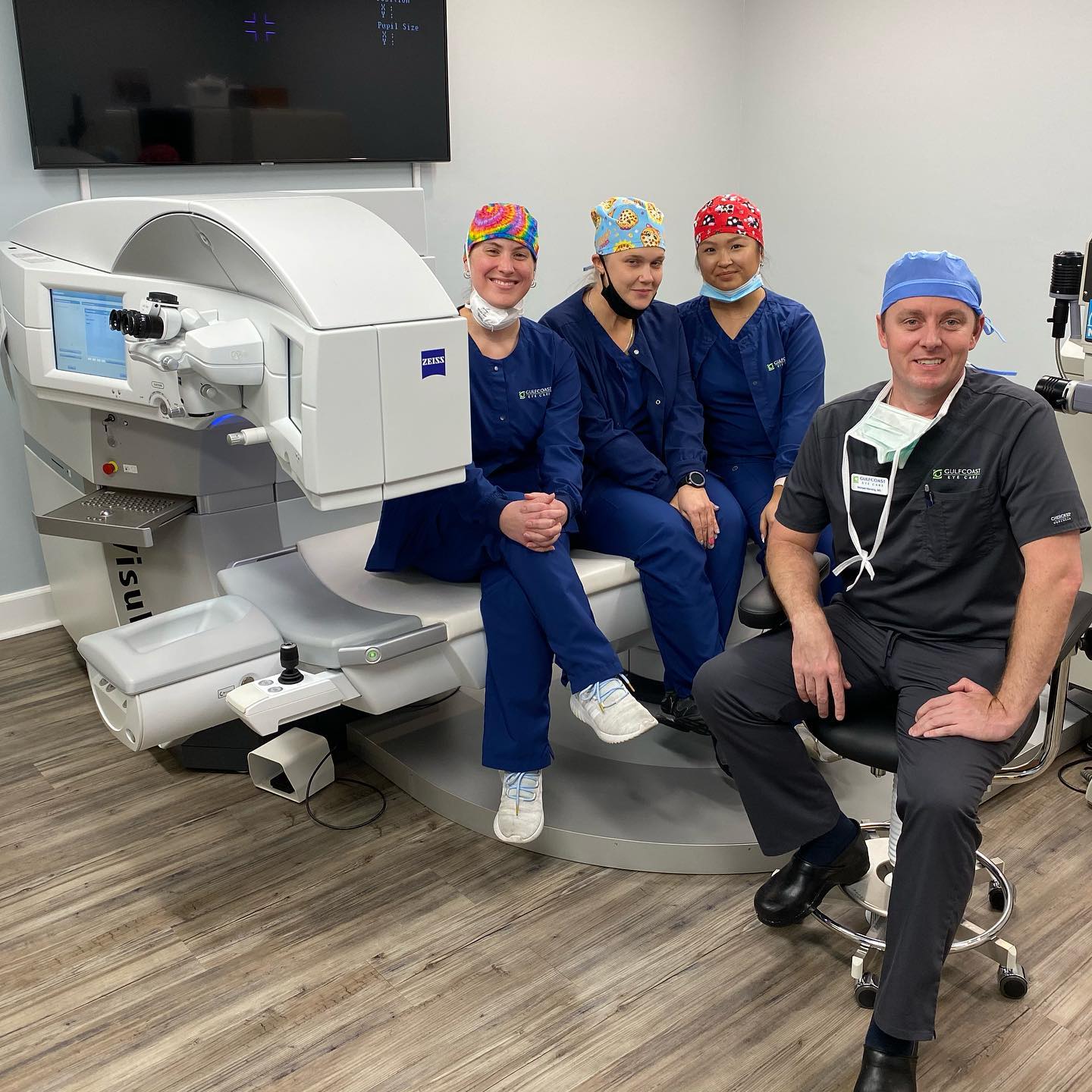
At Gulfcoast Eye Care, Dr. Michael Manning and our team use advanced technology to:
- Monitor for early signs of ocular toxicity
- Track changes in your retina and optic nerve
- Measure intraocular pressure
- Guide you with clear, personalized recommendations
Protecting your vision does not have to be complicated. A simple eye exam can help prevent long-term problems and give you peace of mind.