
EXPLORE
Cataract Surgery & Treatment in Tampa Bay & St. Petersburg
Clear vision affects nearly every part of your life. When cataracts begin to interfere with reading, driving at night, or recognizing faces in bright lights, it can feel frustrating and limiting. At Gulfcoast Eye Care, we help patients in Palm Harbor, Pinellas Park, and St. Petersburg restore vision and return to the daily activities they value most.
Dr. Michael Manning, a board-certified ophthalmologist, has helped thousands of patients regain clear sight through advanced cataract surgery. Our goal is simple: help you see comfortably, confidently, and clearly again.
Schedule An Appointment Today
CATARACTS
What Are Cataracts?
A cataract develops when the natural lens inside your eye becomes cloudy. The lens normally focuses light onto the retina so you can see sharp images. When a cataract forms, that lens becomes cloudy, and light cannot pass through properly.
This is one of the most common eye conditions, especially as we age. Most cataracts develop gradually over time. However, a cataract can also form after an eye injury, certain health problems such as diabetes, long-term medication use, or other risk factors.
As the cataract develops, vision problems become more noticeable and can begin affecting your independence and comfort.

CATARACT SYMPTOMS
Symptoms of Cataracts
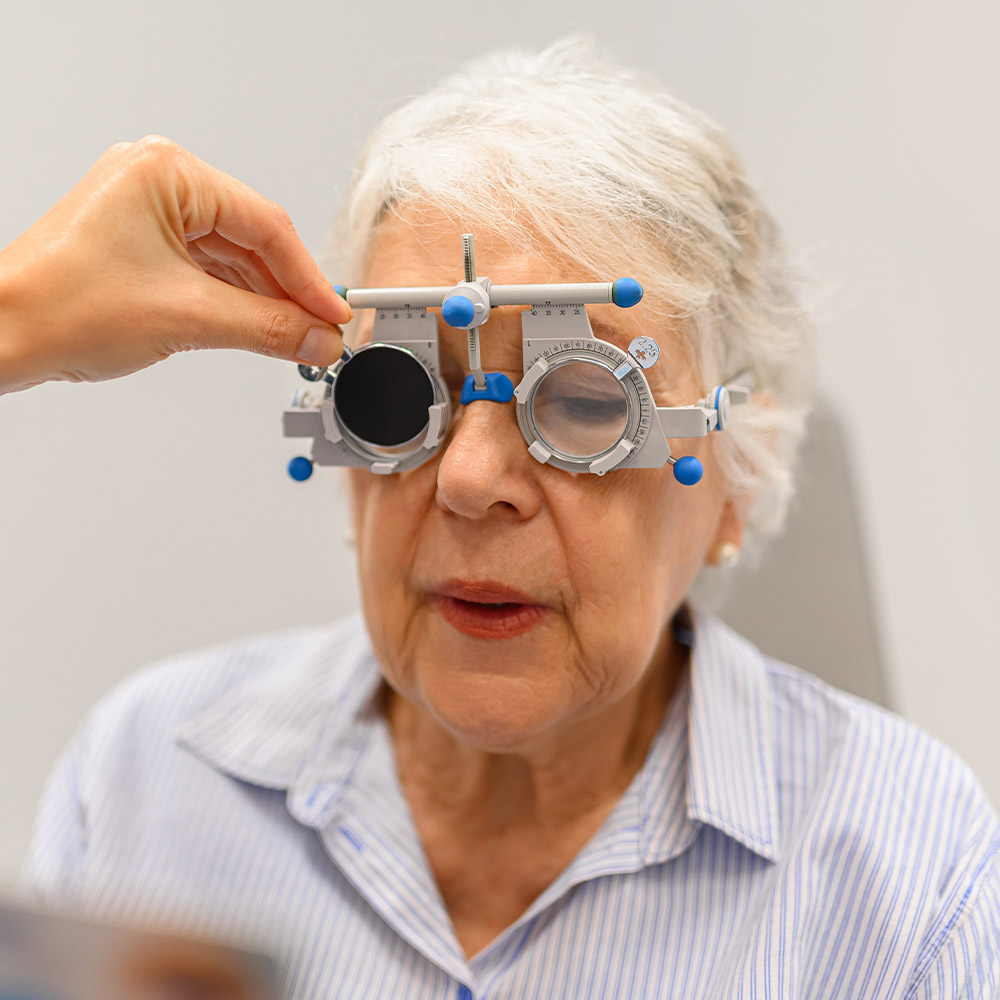
Many patients do not realize how much their vision has changed until daily life becomes more difficult. Common symptoms of cataracts include:
- Blurry or dim vision
- Sensitivity to bright lights
- Glare or halos around lights
- Double vision in one eye
- Faded or yellowed colors
- Frequent changes in glasses prescription
- Difficulty seeing at night
If these symptoms are making it harder to drive, read, cook, or enjoy hobbies, it may be time to speak with our eye doctor about treatment options.
CATARACT RISK FACTORS
Risk Factors for Cataract Development
Cataracts are most often related to aging, but several risk factors increase the likelihood that a cataract forms, including:
- Diabetes and other health problems
- Smoking
- Long-term ultraviolet light exposure
- Previous eye injury
- Steroid medications
- Family history of cataracts
Wearing quality sunglasses can help protect your eyes from ultraviolet exposure, which may slow progression in some cases.


CATARACT SURGERY
How Cataract Surgery Restores Vision
In the early stages, brighter lighting or updated glasses may help. However, once a cataract interferes with daily activities, surgery is the only way to restore vision fully.
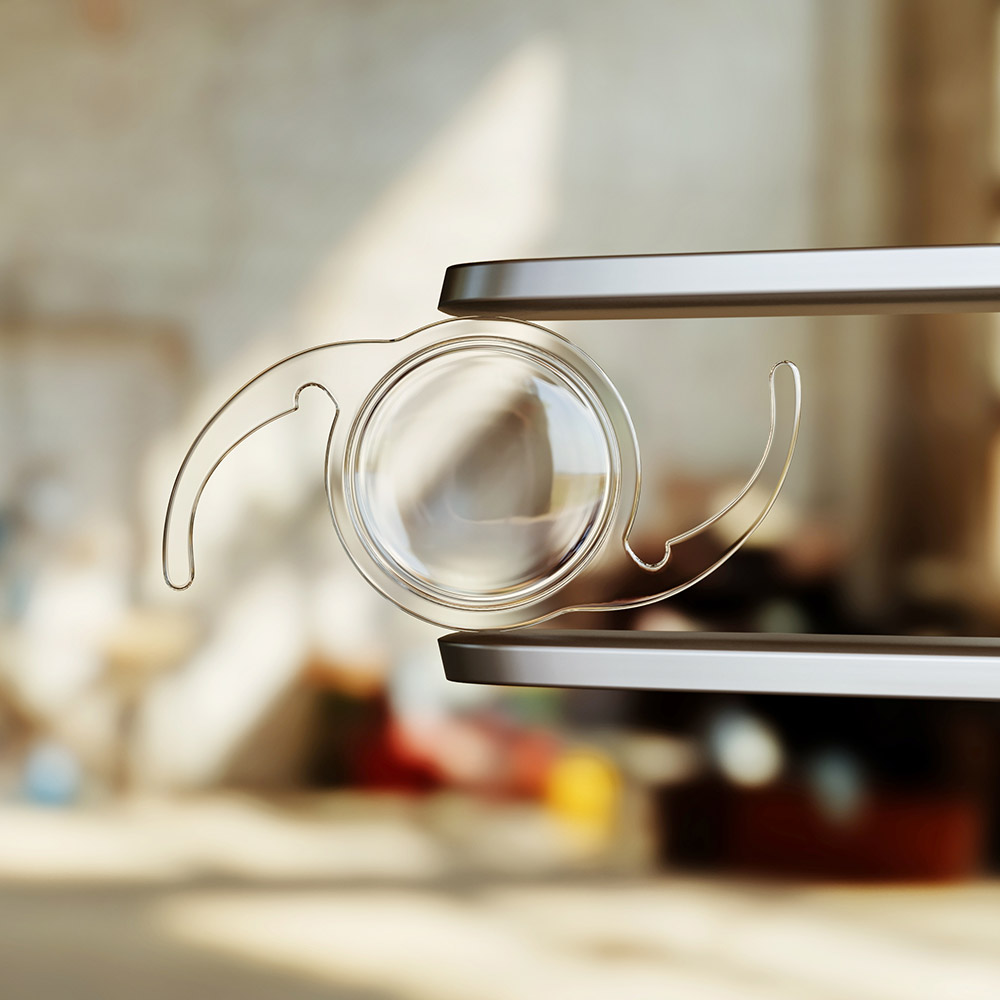
Cataract surgery removes the cloudy natural lens and replaces it with a clear artificial lens called an intraocular lens (IOL). This lens focuses light properly again, allowing you to see clearly.
The procedure is one of the most commonly performed surgeries in the United States. It is safe, precise, and typically completed in a short outpatient visit. Most patients notice clearer vision within days.
What Is an Intraocular Lens for Cataracts?
An intraocular lens, often called an IOL, is a clear artificial lens placed inside your eye after the cataract is removed. It is sometimes called an intraocular lens implant because it permanently replaces the cloudy lens.
There are different types of cataract lenses available:
Standard IOL
A standard lens restores clear distance vision. You may still need glasses for reading or close work.
Advanced IOL Options
Advanced lenses can reduce your need for glasses at multiple distances. Some correct astigmatism. Others allow you to see near, intermediate, and far with greater independence.
For many patients, choosing the right intraocular lens (IOL) is an opportunity not just to remove a cataract but to improve overall visual freedom.
Light Adjustable Lens
Gulfcoast Eye Care offers the Light Adjustable Lens. This lens allows Dr. Manning to fine-tune your vision after surgery using light treatments. It provides a level of customization not available with traditional lenses.
Patients who choose this option often appreciate the ability to adjust their vision after healing, helping them feel more confident in their final results.
What Life Looks Like After Cataract Surgery
Patients often tell us they did not realize how much their vision had declined until it was restored. After surgery, many people notice:
- Brighter, clearer colors
- Greater confidence driving at night
- Less glare from bright lights
- Improved ability to read and use digital devices
- Reduced dependence on glasses
Instead of planning your day around vision problems, you can focus on enjoying time with family, hobbies, and everyday routines without constant visual frustration.

MEET OUR DOCTOR
Your Cataract Surgeon: Dr. Michael Manning
Dr. Michael Manning is board-certified by the American Board of Ophthalmology and has extensive experience performing advanced cataract surgery. Patients throughout the Tampa Bay area trust him for his surgical precision and calm, reassuring approach.
His focus is not only on removing the cataract, but also on helping you achieve the best possible visual outcome for your lifestyle.

Dr. Manning answers common Cataract Surgery Questions
How Does Cataract Surgery Work?
Cataract surgery is performed in an outpatient center with numbing eye drops and mild sedation to keep you comfortable. Dr. Manning makes a small incision, removes the cloudy natural lens, and replaces it with a clear intraocular lens. The incision is self-sealing and usually does not require stitches.
How Long Is Cataract Surgery Recovery?
You will need someone to drive you home, and you should rest the day of surgery. Most patients return to normal routines quickly, but avoid strenuous activity for one week and swimming for two weeks. Prescription eye drops are used for several weeks to support healing.
What Does Cataract Surgery Cost?
Standard cataract surgery is often covered by medical insurance, though coverage varies by plan. Advanced intraocular lens options may involve additional cost if you choose to reduce dependence on glasses. Our team will review your benefits and payment options with you.
How long does cataract surgery take?
The procedure itself usually takes about 15 minutes per eye. Plan to be at the surgical center for about two hours to allow time for preparation and early recovery.
How long before I can see after surgery?
Results will vary by patient, but many people can see clearly enough to drive one day after surgery.
Clearer Vision and Greater Confidence across Florida
If cataracts are limiting your ability to drive safely, read comfortably, or enjoy time with family, you do not have to settle for gradual vision problems. Cataract surgery at Gulfcoast Eye Care offers patients in Palm Harbor, Pinellas Park, and St. Petersburg the opportunity to restore vision and return to daily activities with clarity and confidence.
When you are ready to see more clearly and feel confident in your next step, we are ready to help you move forward.